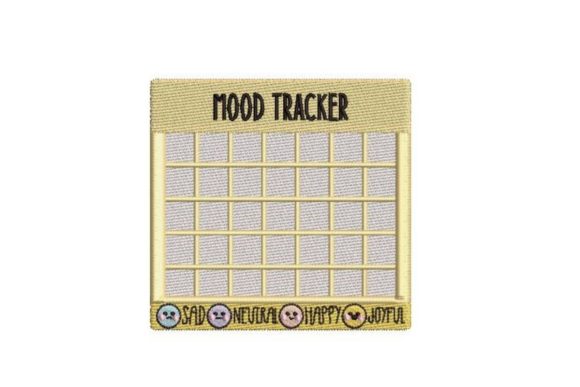
Mood Tracker Embroidery Design
As an embroidery designer with years of experience in the handmade and craft fair scene, I’ve seen countless designs come and go. But one that stands out for its unique charm and practicality is the Mood Tracker machine embroidery design. With a funny message and versatile application, this design has potential across a wide range of craft fair products and handmade items.
First Impressions: A Funny and Functional Design
The Mood Tracker design immediately catches the eye with its playful tone and clear messaging. It doesn’t scream boldness or elegance, but it exudes a friendly, approachable vibe that fits well in the inspirational category. The humor is subtle enough to appeal to a broad audience while still standing out as a conversation starter.
This design works best when displayed on larger items like cozy hoodies or tote bags, where the message can be fully appreciated. However, its simplicity allows it to function as a small accent on caps, patches, or even fabric pouches, making it adaptable for various product types.
Where Mood Tracker Shines: Craft Fair and Handmade Products
At a craft fair booth, the Mood Tracker could be a standout piece among tote bag designs, apron embroidery, and tea towel embroidery. Its humorous message makes it easy to explain and sell, especially to customers looking for something light-hearted and personal.
On a large hoodie, it becomes a focal point that draws attention. On a smaller item like a patch or cap, it serves as a subtle but meaningful detail. This versatility means it can be used across multiple product lines, from handmade gifts to market bags, increasing its value as a craft fair product.
For Etsy sellers and small shop products, the Mood Tracker offers a great opportunity to create a consistent brand theme. It’s also ideal for printable mockups and design assets that help visualize how the embroidery will look on different fabrics.
Practical Selling and Production Considerations
One of the key factors in any embroidery design is how easy it is to produce in bulk. The Mood Tracker design appears to be straightforward, which is a plus for batch production. However, it’s important to check the stitch density and ensure that the design doesn’t become too dense in certain areas, which could cause issues on thick fabrics or textured towels.
When considering hoop size, the design should fit comfortably within standard hoops for most embroidery machines. If not, adjustments may be needed, especially for curved surfaces like caps. Always test the embroidery file on scrap fabric before committing to large runs.
Photographing the Mood Tracker for online listings is another consideration. Since it’s a message-based design, clarity is essential. Using the right thread colors and ensuring proper contrast against the fabric will make the design more appealing in digital formats.
Careful-Use Notes: What to Watch For
While the Mood Tracker is generally user-friendly, there are some details to keep in mind. Tiny lettering or intricate details might not hold up well on dark fabrics or at smaller sizes. Additionally, if the design includes curved elements, it may require extra care when stitching onto caps or other contoured surfaces.
For commercial embroidery or digital embroidery file sales, always confirm the licensing terms before producing finished products. Even though the original description mentions multiple embroidery options, specific details like stitch count or file format aren’t provided, so it’s best to verify those before proceeding.
Impact on Visual Appeal and Customer Engagement
The Mood Tracker adds visual interest without being overwhelming. It’s the kind of design that can elevate a simple tote bag into a statement piece, or turn a basic apron into a memorable handmade product. Its humor and positivity make it engaging for customers, encouraging them to pick it up and ask about the story behind the design.
In a booth filled with similar items, the Mood Tracker stands out for its uniqueness and ease of explanation. It also supports brand consistency, especially for shops focused on inspirational or lifestyle themes. When displayed alongside other handmade products, it reinforces a cohesive aesthetic that appeals to buyers looking for thoughtful, creative items.
Embroidery Designer Tips for Success
Before finalizing the Mood Tracker as a craft fair product, here are a few key steps every embroidery business owner should take:
- Test the design on scrap fabric to see how it looks in real life.
- Check thread contrast to ensure the message is visible on different fabric colors.
- Review spacing and adjust if needed for optimal placement on various items.
- Confirm hoop size requirements to avoid production delays.
- Inspect stitch density to prevent puckering or distortion on thicker materials.
- Use the right stabilizer for each fabric type to maintain quality.
- Create at least one real mockup to see how the design translates to actual products.
- Compare fabric colors to ensure the design matches your vision.
- Confirm commercial licensing before selling finished products.
These steps ensure that the Mood Tracker not only looks great but also functions well in a variety of applications, from embroidered patches to pillow covers.